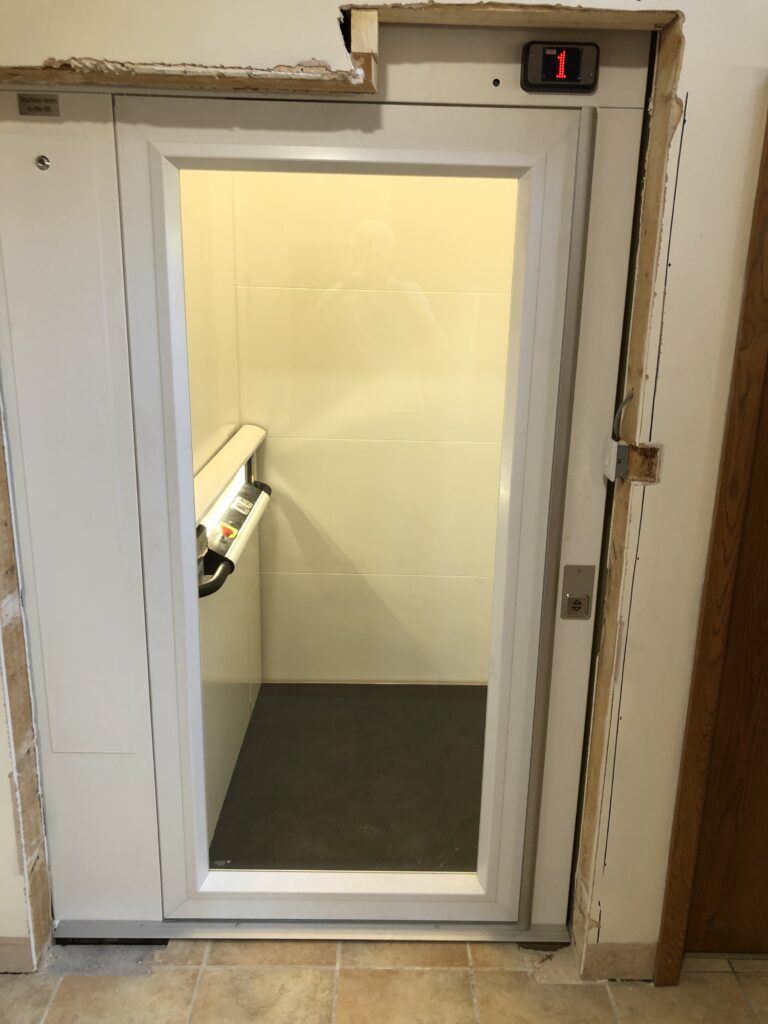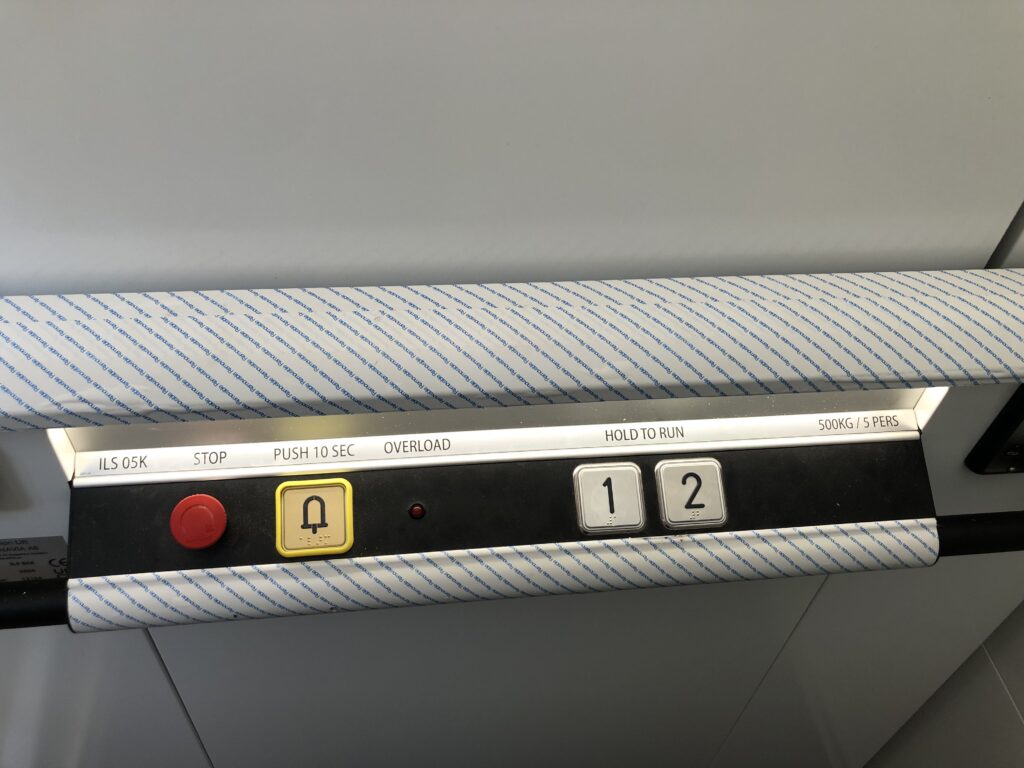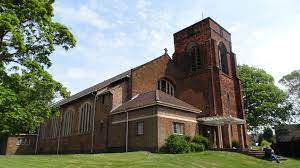
As a building, All Saints appears to be in a pretty good state. However, this is something of an illusion. The lift (disability platform) has been broken beyond repair for several years, the main church heating system has been condemned, the roof is leaking – and this is just the big ticket items!!
Looks bad doesn’t it? – And indeed it is.
So what’s to do? First of all, let’s be clear – there is not a big pot of money available for us to dip into. Some grants may be available but every Church of England church has to stand on its own feet. Nor has any church the right to exist because ‘it’s always been there’.
Is there a need for All Saints church in Marlpool?
As things stand, All Saint’s congregation is small – the building is capable of holding ten time the average congregation, There are a few groups using the building during the week but these are also small, in total the building is used on average for between 10 and 15 hrs per week in total (there are of course exceptions to this but these are infrequent). The cost of running the church is around £27,000 pa excluding the the vicar and the vicarage, which are funded centrally. The cost of carrying out all the remedial work required is estimated to be somewhere in the order of £250,000.
Looked at from this perspective suggests that making a big financial commitment to the All Saints building, even if the money was available, would not be a very good investment. But ……
What of its potential?!
Rather than wring our hands in anguish we at All Saints have grasped the nettle and initiated a course of actions:
We have taken a leap of faith and invested in the installation of a new lift. We have funded this partly though a grand, partly from personal donations and partly from our own limited reserves. This will be installed on 6th-7th July. By taking this action we open up the first floor hall to users who are unable to use the stairs.
Once the lift is in place we will actively be seeking out groups for whom this would be an ideal space.
We have invested in a feasibility study to establish the viability of a carbon neutral heating system for the whole building.
We have carried out a cost v benefit analysis of installing a PV (solar) system for electricity generation
We have considered a number of possible options for operating as a church without the existing building
We are currently carrying out a Mission strategy initiative which we have called ‘Reaping the Harvest 2026’ to identify develop and implement a means of effectively presenting the Gospel message in our communities. We’ve included ‘2026’ to remind ourselves that this is not a talking shop looking towards an ever moving future but a call to imminent action.
By the end of 2026 we expect to have moved forward significantly.
As of Tuesday 31st March 2026, Revd Karen Padley is no longer the vicar of All Saints church, nor is she priest-in-charge of the churches of St Lawrence Heanor, St Andrew’s Langley Mill andSt John’s Aldercar.
The following statement gives the reasons for this development
Rev Karen Padley has been removed from office as Priest in Charge of St Lawrence Heanor, St Andrew Langley Mill, and St John Aldercar, and Vicar of All Saints Marlpool, by an Independent Tribunal established under the Clergy Discipline Measure 2003, and is prohibited from ministering as a priest in the Church of England for three years.
The result of this is that these parishes are now in vacancy. During this time the responsibility for the continuation of ministry is assumed by the Churchwardens and the Area Dean, together with the assisting clergy of the parishes, who will be fully supported by the Acting Archdeacon of East Derbyshire and colleagues in the Parish Support Team.
The Diocese of Derby has offered pastoral and practical support for Karen at this time.
No further details been made available to us at this time However, for the avoidance of any misunderstanding or erroneous assumptions it can be stated that: This decision was NOT as the result of any safeguarding issue or financial impropriety on the part of Revd Padley.
What happens now?
All Saints, together with the other three churches are now in what is referred to a ‘Vacancy’ During this time the responsibility for the continuation of ministry is assumed by the Churchwardens and the Area Dean.
Unless stated otherwise, Sunday Worship will continue as usual as will the other services and activities of All Saints.
As you can appreciate, this sudden removal of our vicar came as something as a shock to the All Saints congregation. To date, nothing beyond the above statement has been published so unsurprisingly rumours abound. Until the ruling is published on the Church of England website there is nothing we can add to the above statement.
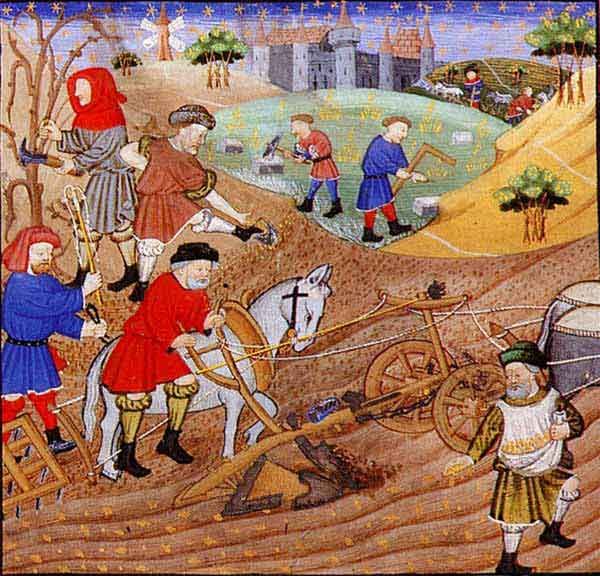
When people think of the Middle Ages, it often brings to mind grinding poverty, superstition and darkness. But the reality of the 1,000-year period from 500 to 1500 was much more complex. This is especially true when considering the peasants, who made up over 90% of the population!
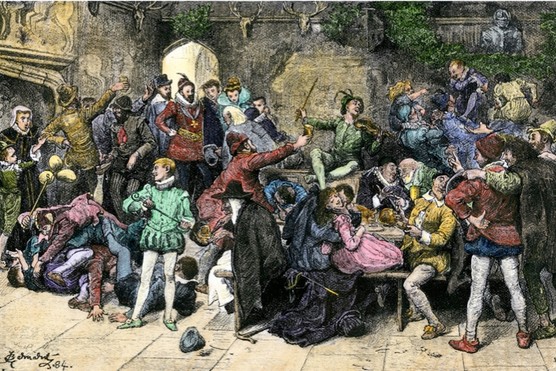
For all their hard work, peasants had a fair amount of downtime. Add up Sundays and the many holidays, and about one-third of the year was free of intensive work. Celebrations were frequent and centred around religious holidays like Easter, Pentecost and saints’ days.
But the longest and most festive of these holidays was Christmas.
In reality, the popular belief that the lives of peasants were little more than misery is a misconception. They enjoyed rich social lives – maybe richer than ours – ate well, celebrated frequently and had families not unlike our own. For them, holiday festivities didn’t begin with Christmas Eve and end with New Year’s.
The party was just getting started!
Daily life in a peasant village
A peasant was not simply a low-class or poor person. Rather, a peasant was a subsistence farmer who paid their lords a portion of what thy produced as a form of taxation. They also provided labour, which might include bridge-building or farming the lord’s land.
In return, a lord provided his peasants with protection from bandits or invaders. They also provided justice via a court system and punished people for theft, murder and other crimes. Typically, the lord lived in the village or nearby.
Peasants lived in the countryside, in villages that ranged from a few houses to several hundred. The villages had communal ovens, wells, flour mills, brewers or pubs, and blacksmiths. The houses were clustered in the centre of the village along a dirt street and surrounded by farmland.
By today’s standards, a peasant’s house was small – in England, the average was around 700 square feet (65 square metres). Houses might be made of turf, wood, stone or “waddle-and-daub,” a construction very similar to lathe and plaster, with beamed roofs covered in straw. Houses had front doors, and some had back doors. Windows were covered with shutters and, rarely, glass. Aside from the fireplace, only the Sun, Moon or an oil lamp or candle provided light.
Strange sleep habits
The day was dictated by seasons and sunlight. Most people rose at dawn or a bit before; men went out to their fields soon after to grow grains like wheat and barley. Women worked in the home and yard, taking care of children, animals and vegetable gardens, along with the spinning, sewing and cooking. Peasants didn’t have clocks, so a recipe might recommend cooking something for the time it took to say the Lord’s Prayer three times.
Around midday, people usually took a break and ate their largest meal – often a soup or stew. The foods they ate could include lamb and beef, with cheese, cabbage, onions, leeks, turnips and fava beans. Fish, in particular freshwater fish, were also popular. Every meal included bread.
Beer and wine were major components of the meal. By our standards, peasants drank a lot of alcohol although the alcoholic content of the beer and wine was lower than today’s versions. They often napped before returning to work. In the evening, they ate a light meal, perhaps only bread, and socialized for a while.
They went to bed within a few hours of darkness, so how long they slept depended on the season. On average, they slept about eight hours, but no consecutively They awoke after a “first sleep” and prayed, had sex or chatted with neighbours for somewhere between half an hour and two hours, then returned to sleep for another four hours or so.
Peasants did not have privacy as we think of it; everyone often slept in one big room. Parents made love with one another as their children slept nearby. Married couples shared a bed, and one of their younger children might sleep with them, though infants had cradles. Older children likely slept two to a bed.
Dreaming of a medieval Christmas
Life certainly wasn’t easy. But the stretches of time for rest and leisure were enviable.
Today, many people start thinking about Christmas around the beginning of December and any sort of holiday spirit fizzles by early January.
In the Middle Ages, this would have been unheard of.
Advent— the period of anticipation and fasting that precedes Christmas — began with the feast of St Martin on 11th November.
Back then, it took place 40 days before Christmas; today, it’s the fourth Sunday before it. During this period, Western Christians observed a fast; while less strict than the one for Lent, it restricted the consumption of meat and dairy products to certain days of the week. These traditions not only symbolized absence and longing, but they also helped stretch out the food supply after the end of the harvest and before meats were fully cured.
Christmas itself was known for feasting and drunkenness – and it lasted nearly six weeks.
Dec. 25 was followed by, the 12 days of Christmas ending with the Epiphany on 6th January which commemorates the visit of the Magi to Jesus, Mary and Joseph. Gifts, often in the form of food or money, were exchanged, though this was more commonly done on New Year’s Day. Game birds, ham, mince pies and spiced wines were popular fare, with spices thought to help warm the body.
Though Christmas officially celebrates the birth of Jesus, but is also incorporated pre-Christian imagery that emphasized the winter solstice and the return of light and life. This meant that bonfires, yule logs and evergreen decorations were part of the festivities. According to tradition, St Francis of Assisi created the first Nativity scene in 1223.
Christmas ended slowly, with the first Monday after Epiphany being called “Plough Monday” because it marked the return to agricultural work. The full end of the season came on Feb. 2 – called Candlemas and celebrated the presentation of Jesus at the Temple by Mary and Joseph in accordance with Jewish law. On this day, candles were blessed for use in the coming year, and any decorations left up were thought to be at risk of becoming infested with goblins.
With the coming of the Industrial Revolution and the gravitation of peasants from villages to towns, working hours got a lot longer and free time a lot less.
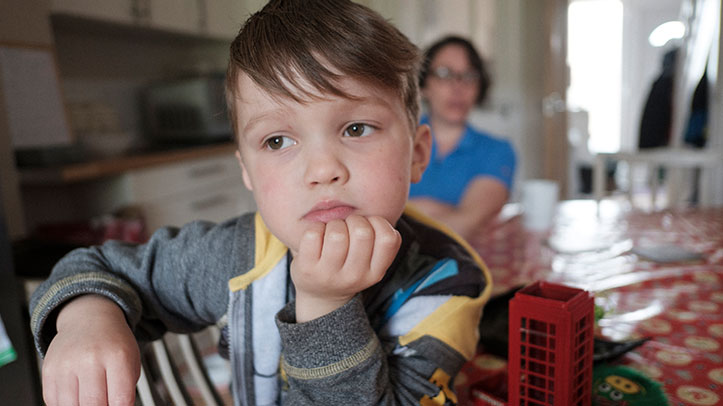
We may be one of the richest nations in the world but child poverty is still prevalent across the UK today. But don’t take my word for it. See below a summary of a damming report from experts in children’s health.
This briefing describes how rising levels of child poverty are impacting professionals working on the front line of children’s health, based on a survey of 371 paediatricians.
99 per cent of paediatricians responding to the survey reported that poverty is contributing to ill-health among the children they treat. Many respondents raised concerns about how poverty is impacting children’s nutrition as families lack the money to provide a healthy diet, while some described situations where poverty is causing children to develop life threatening conditions.
96 per cent of respondents said that poor housing conditions are affecting the health of the children they treat. They told us how damp housing is causing serious respiratory health conditions in children and that these symptoms are difficult to remedy unless their housing situation improves.
While the NHS is free at the point of need, patients may need to pay for transport or parking, and miss work to attend appointments. Ninety-five per cent of respondents said that poverty is preventing children from attending medical appointments. They told us how this meant that children’s conditions are at risk of worsening and leading to the need for emergency care.
Paediatricians told us that poverty is impacting their day-to-day practice. Despite their best efforts to manage the health impacts that poverty has on children, it feels like an uphill battle.
Royal College of Paediatrics and Child Health and Child Poverty Action Group are calling for the government to take bold action in the delivery of its forthcoming child poverty strategy. At a minimum the strategy must:
Introduce binding targets to reduce and eliminate child poverty over the short, medium and long term.
Invest in social security, starting with abolishing the two-child limit, to begin reversing the rising levels of child poverty.
Unfreeze local housing allowance and end the benefit cap to help families secure housing that meets basic decency standards.
Help families cover the costs of attending hospital and accessing healthcare by introducing an enhanced Young Patients Family Fund.
For anyone wanting to read the full report, it is available online but the summary is stark enough. Of course children aren’t the only priority but surely they should be right there at the top of the list?
Have you managed to get to a Carol Service this Christmas? Or maybe listed to or watched Kings College traditional Nine Lessons and Carols?
If not or even if you have, check out All Saints Church Marlpool’s online Carols by Candlelight
King’s college it isn’t! As you’ll see, it’s a home spun collection of recordings of members of All Saint’s church involving a cross section of our church family.
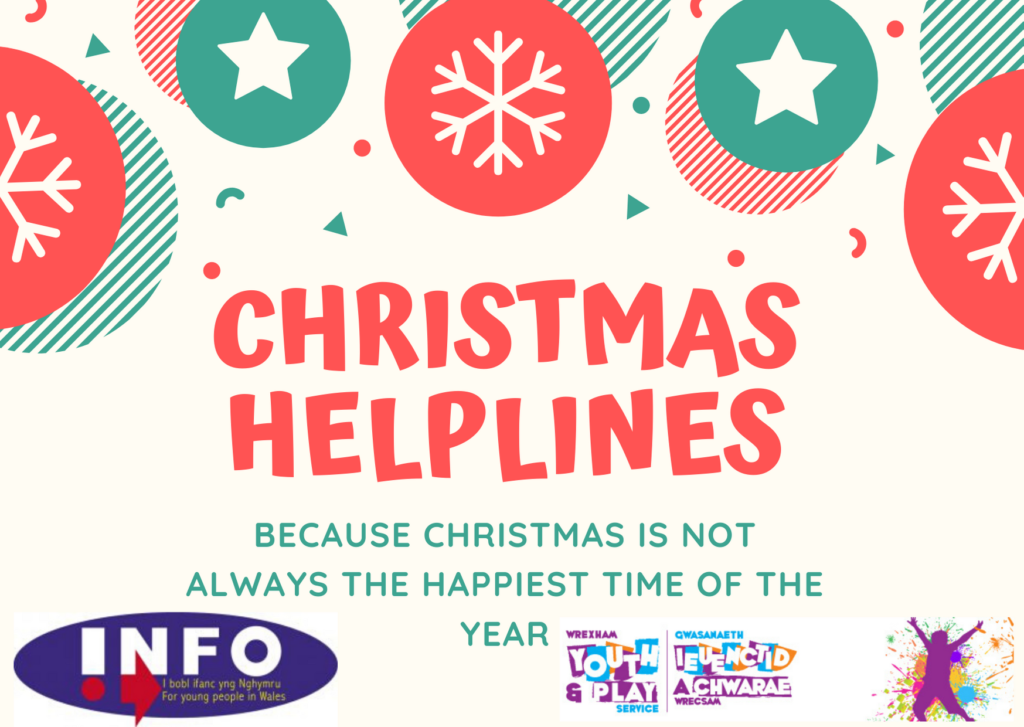
We know that Christmas can be a tough time for a lot of people. If you are one of them, you’re not on your own.
But it can feel like it! Everywhere seems to be closed down and no one is answering the phone.
Well not everyone. Maybe ringing one of the numbers below might help?
NHS 111 Service: Non-emergency medical help and advice. Open 24/7, including all holidays.
Age UK – 0800 678 1602 (8am to 7pm)
NHS Mental Health Crisis – 111, ( 24 hours a day)
Ability – 0121 630 2015 (9.30am to 11pm) Ability’s Life Opportunity support line will be open throughout Christmas Day for anyone with a disability.
Papyrus – 0800 068 41 41 (24 hours a day) The Papyrus suicide prevention helpline is another number that can be called any time on Christmas day for young people who need it.
Refuge – 0808 2000 247 ( 24 hours a day) The helpline for women who experience domestic violence will be open for the entirety of Christmas day.
Beat – 0808 801 0677 ( 4pm to 8pm) Problems with eating disorders can be exacerbated by Christmas Day, with roast dinner being a central part of festivities for millions of families. Beat’s Eating Disorder helpline will be open in the evening for anyone who needs support.
Shout – 85258 (24 hours a day) Not everyone feels comfortable talking over the phone with someone. If you would prefer to text, the confidential service Shout can be reached by texting the number anytime over Christmas.
National Domestic Abuse Helpline0808 2000247 for free and in confidence.
Galopruns the national domestic abuse helpline 0800 999 5428 for members of the LGBT+ community.
Men’s Aid0333 5670556 provides advice and support to men who have been abused.
Childline0800 1111 You can contact Childline about anything. There website offers lots of different ways to access support.
Hourglass0808 808 8141 a confidential helpline providing information and support to anyone concerned about harm, abuse or exploitation of an older person.
The Samaritans You can call the Samaritans to talk about anything that’s bothering you on 116 123 They will listen without judging or pressure to help you work through it.
The Silver Line: 08004708090 Offers support and friendship for older people. Open 24/7, including all holidays.
All Saints is a numerically small church with big ideas!
Back in 2002 our building was significantly reordered in order to realise our vision of a space where every area and activity was accessible to anyone and everyone no matter what their limitations is disabilities might be. And we pretty well achieved this!
Unfortunately we now have a problem. The disability platform (lift) giving universal access to our first floor hall is broken beyond repair and needs replacing. Without this a number of groups and individuals can no longer access this area, own main space for community activities.
To replace the lift will cost around £30,000. We are well n our way to achieving this target but we are still £5,000.
Please watch the short video below to give you an idea of the problem and the solution.
If you are able to help us at all please make a donation using this link;
To be clear from the outset, the refurbished ‘Grammar’ is certainly a magnificent improvement on the semi-derelict Heanor Grammar School from which it has evolved. Nobody could honestly take issue with the quality of workmanship and although some may question the use of contrasting brickwork in some places, this a matter of taste rather than quality.
The question is; ‘Now What/’
A number of ex-pupils of the Grammar school, having toured around the inside of the building, have remarked that, internally, little seems to have changed in terms of format and it largely looks like an updated 1950s school. Surely, the internal design should have reflected the purpose to which the buidling was to be put?
And there lies the rub. After over a decade of lobbying, planning and commissioning there appears to be no clear strategy as to how to put this very expensive project to good use. Although expressions of interest were canvassed with apparently a significant number of responses – were these followed up? Certainly not in all cases!
Rumours abound (or maybe more than rumours?) that Derbyshire County Council may move their offices from Matlock to the Grammar in Heanor. Now from a DCC perspective, that seems like a good idea. They had already made the decision to move out of the somewhat bleak, rambling Matlock offices, and moving to a refurbished building in Heanor surely ticks most of the boxes not least in terms of cost. Although this may no longer be the case?
But just a minute – wasn’t a principle tenet of the bid for Government funding that the building would be a community asset open to the community? The idea of the Grammar becoming Council offices has certainly caused a sense of humour failure among a significant number of Heanor residents. Again maybe a rumour; it has been suggested that the hall could be made available for community use at weekends.
So is that what it has come to? £8.6 million spent to bring a building back into community use for 2 days per week (always assuming that uses can be found for it for those periods)?
When this was queried with an AVBC councillor they replied that: ‘ We can’t afford it without letting (leasing?) to DCC. Didn’t anyone think to consider the oncosts (i.e. to costs to the Amber Valley taxpayer) when embarking on this project?
Now the DCC opportunity may be serendipitous and so Heanor could gain a quite attractive ‘monument’ at no additional cost to the taxpayer beyond the £1.6 million that AVBC have already splashed out on it. But a masterstroke of strategic thinking it isn’t.
And we still seem to be stuck with the unspeakably ugly derilict old science block since there are apparently no funds available to demolish it. Just a thought, but why not do a Grenfell Tower and cover the building with a wrap around banner?
So is the Grammar an asset to the Heanor community or a white elephant?
It’s too soon to tell but even those who fear the latter must hope that it’s the former.
The UK is the sixth richest nation in the world UK so you’d think that poverty, particularly child poverty, had long ago been banished; something that we only read about in Victorian novels?
Wrong! Today!! 4.5 million children are living in poverty in this country and things are expected to get worse. Difficult to believe?
Don’t take my word for it – Just read the article below; it makes uncomfortable reading.
Clearly the root causes of child poverty can only be addressed by our Government. But we can; raise this issue with our local MPs, start a petition or support an existing one – there are a number of online platforms which facilitate individual raising petitions, write directly to the Prime Minister, the Home Secretary, the Health Minister, write to local or national newspapers.
Locally we can support; food banks, clothing banks, charity shops to name but a few.
At All Saints, working with other churches under the umbrella of ‘Heanor Cornerstone’ we are planning to offer meals to all families in the Heanor area that have a child eligible for free school meals, during the February 2026 half term. That might not seem like much but this could take the pressure off as many of 1,000 families at a miserable time of year and when other costs are often at their greatest.
Can you help? – if you’d like to make a financial contribution towards this initiative or would be able to help in preparation and distribution during the February half term week please contact us for more details.
Welcome to The Marlpudlian . The website for All Saints Church and the wider community Watch out for posts on all manner of subjects from amusing to the contentious, from the life changing to the trivial